

How We Inspect Pipelines
ROV Based GVI and CVI Runs
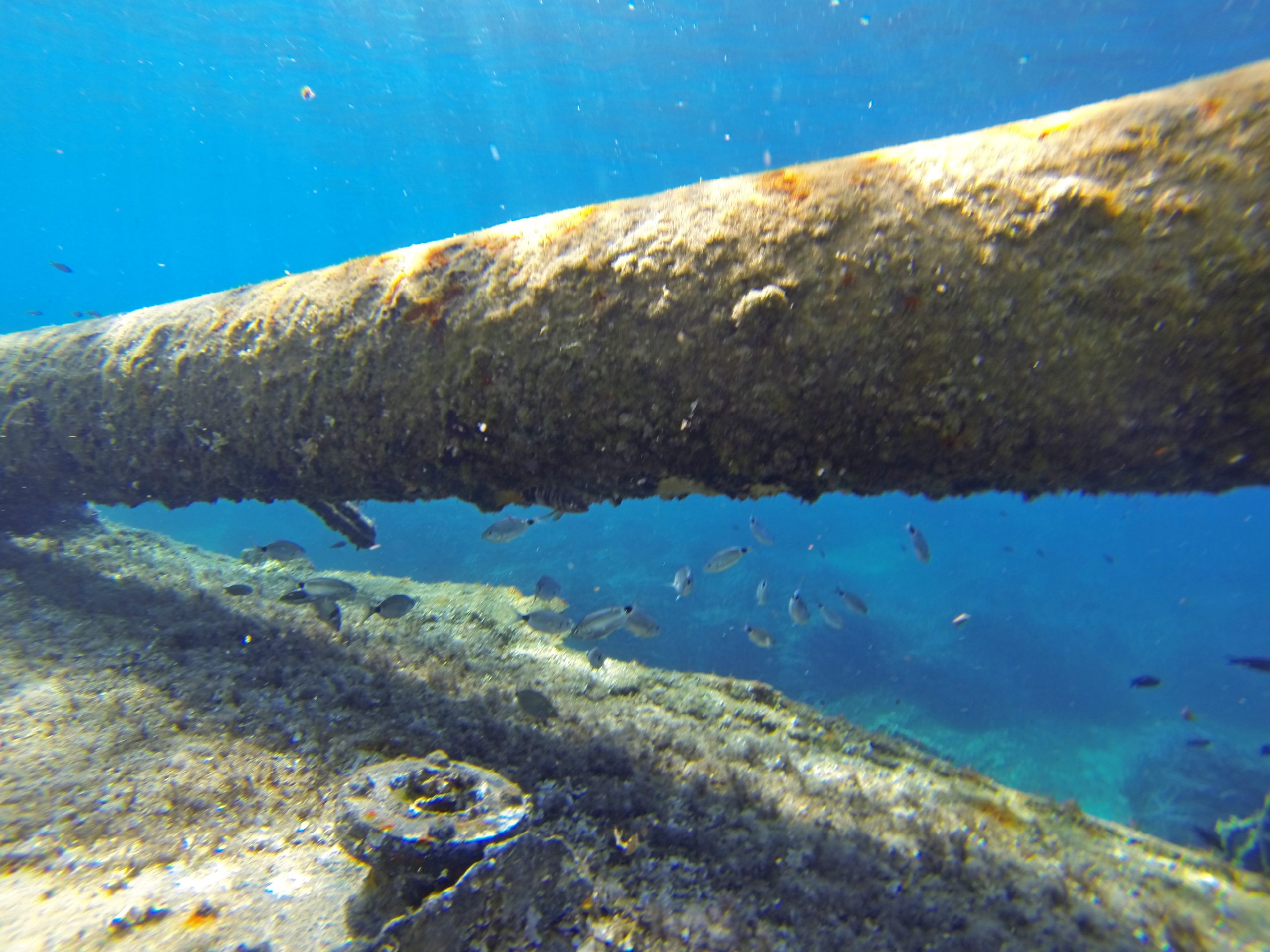
Inspection and work class ROVs fly controlled standoff above the line performing General Visual Inspection (GVI) for global condition and Close Visual Inspection (CVI) at areas of interest. High definition cameras, laser scaling, and imaging sonar capture coating state, anode condition, supports, crossings, and any physical damage or debris interacting with the pipeline.
Sonar & Bathymetry for Spans and Burial
Multibeam and profiling sonars, combined with highresolution bathymetry, map seabed morphology, trench geometry, and contact/support conditions along the pipeline route. These datasets quantify span heights and lengths, exposure, lateral displacement, and potential scour zones that affect structural response and onbottom stability.
Integrated NDT and Cathodic Protection
ROVmounted CP probes, UT/WT thickness gauges, and cleaning tools provide direct measurements of cathodic protection performance and wall loss at targeted locations. Readings are referenced to pipeline KP and geospatial coordinates so integrity engineers can correlate anomalies with coating damage, environment, and historical data.
Shore Approaches, Crossings & Internals
In shallow, congested or nearshore environments, specialised shallowwater ROVs or crawler systems are used to inspect shore approaches, river and road crossings, and jetties where hydrodynamic and thirdparty risks are highest. Internal inspection (ILI) data and external survey results are reconciled to validate wallloss features, confirm repairs, and close out integrity anomalies.













 Doha, Qatar
 GMT-3
GMT-3
